
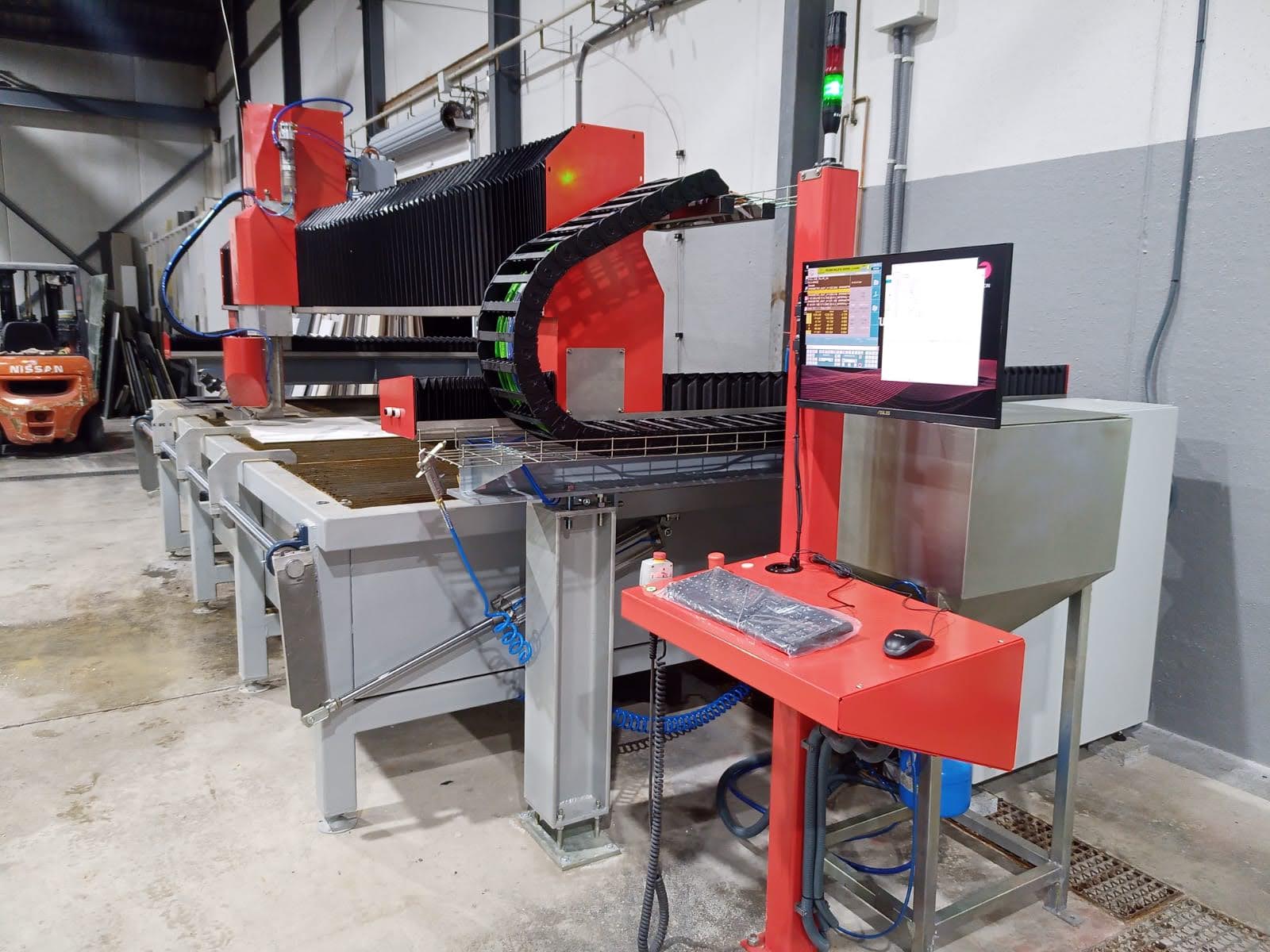
One of the main challenges of any industrial company is to reduce downtime on the production line. to reduce downtime on the production line. Such downtime, although brief, can have a significant impact on overall productivity, operating costs and responsiveness to the market.
In this article we explore what downtime is, how to identify it and what strategies can help you minimize it for more efficient, continuous and profitable production.
Understanding unplanned downtime: the first step to improvement
Downtime is defined as any interval in which a machine, a line or even an operator is idle without generating value. These pauses can be caused by breakdowns, lack of raw materials, planning errors, waiting times between processes or even unnecessary pauses in format changeover.
The first step toward improvement is to understand why and when production stops. Tools such as the OEE (Overall Equipment Effectiveness)The OEE (Overall Equipment Effectiveness), or methodologies such as Pareto’s Law – according to which a small number of factors tend to generate most of the problems – make it possible to identify which elements cause most of the lost time. Choosing automated machinery that facilitates this analysis from the outset can make all the difference.
Why is it important to reduce downtime on the production line?
Minimizing downtime is key to:
- Increase overall plant productivity.
- Optimize the use of available resources (human and technical).
- Reduce operating costs per hour of downtime.
- Improve customer delivery times.
- To increase the company’s competitiveness in the market.
Reducing downtime on the production line has a direct impact on profit margins and the has a direct impact on profit margins and the ability to grow the business.
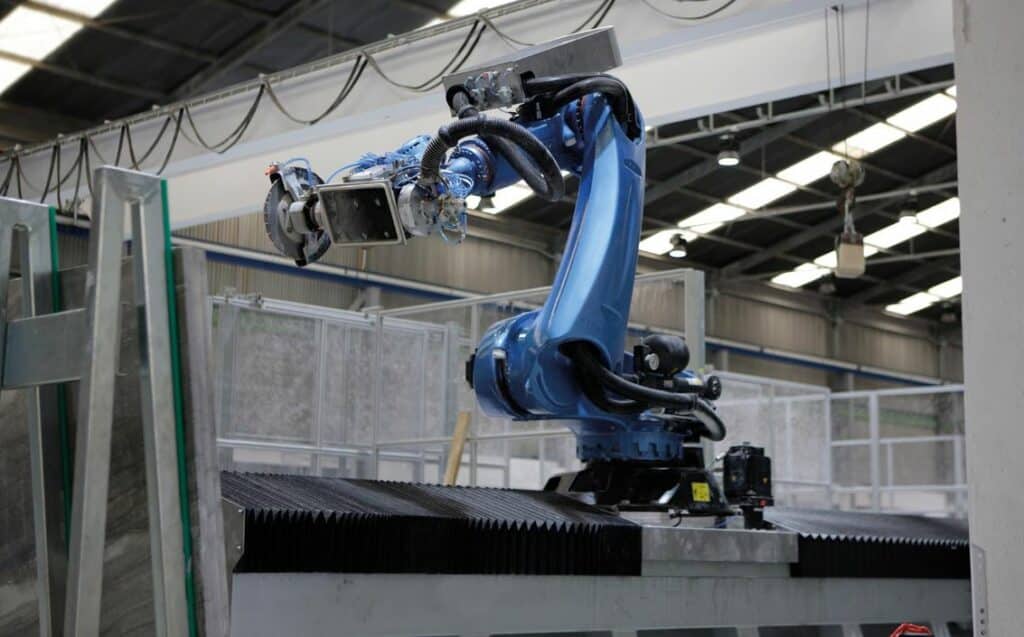
Keys to analyze unproductive time
Before taking action, you need to measure. Some tools and best practices for detecting and analyzing downtime include:
- OEE (Overall Equipment Effectiveness): Key indicator that allows to detect losses in availability, performance and quality.
- Root Cause Analysis (RCA): technique to investigate and understand why repeated shutdowns occur.
- Digital monitoring and IoT sensors: allow to obtain real-time data and detect patterns of inefficiency.
- MES or SCADA systems: collect line status information and help to better plan.
- Direct observation and interviews with operational personnel: They provide qualitative information that automated data sometimes do not collect.
Combining these sources of information provides a clear picture of when and why production stops.
Strategies to reduce downtime on the production line
Once the main causes have been identified, different actions can be applied to optimize efficiency:
Preventive and predictive maintenance
Breakdowns are one of the main causes of unplanned downtime in industrial environments. Having a preventive or predictive maintenance system in place makes it possible to anticipate failures, extend the service life of equipment and ensure greater operational availability.
2. Automation and synchronization of processes
Industrial automation eliminates human errors, synchronizes tasks and reduces waiting times between stages. We are talking about automated machinery, such as that offered by AG RobotX, which allows the integration of repetitive tasks and optimizes the production flow.
Improved internal planning and logistics
Precise production planning and well-coordinated logistics ensure that raw materials and components are available when needed, without creating bottlenecks.
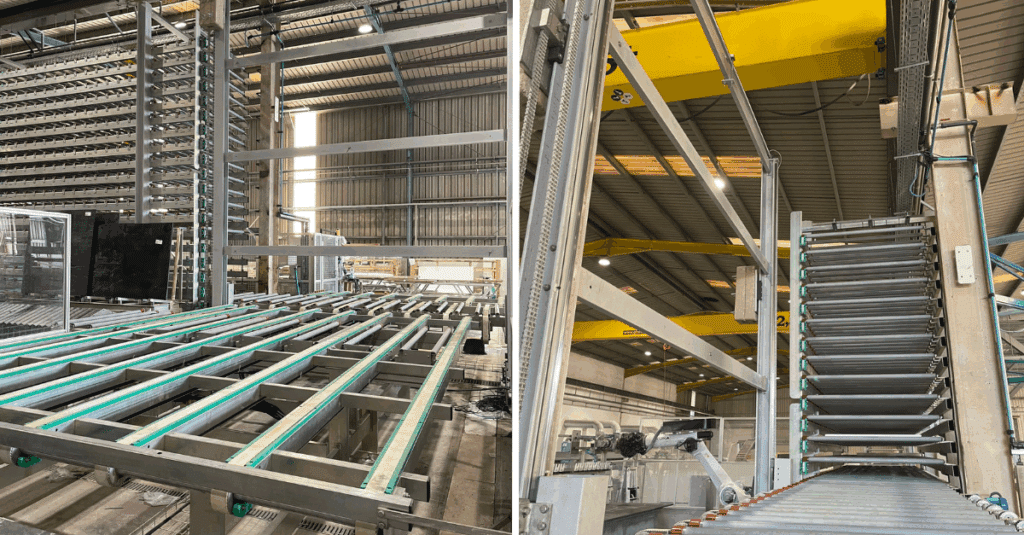
4. Continuous staff training
Knowledge is key. Well-trained operators react more quickly to unforeseen events, perform basic maintenance and collaborate more actively in continuous improvement.
5. Implementation of Lean methodologies
Lean methodologies, such as Just-in-Time, 5S and Kaizen, are approaches that help reduce waste and improve operational efficiency in the plant.
Just-in-Time ensures that production is carried out only when it is needed, reducing inventories and lead times.
5S is a workspace organization technique that improves cleanliness, order and efficiency.
Kaizen focuses on continuous improvement, involving all personnel in identifying areas for improvement.
These methodologies help to standardize processes and eliminate inefficiencies, which translates into a constant improvement in plant performance
Less downtime, more productivity
Controlling and reducing downtime not only improves operational efficiency: it also strengthens the company’s competitiveness and profitability. When smooth, predictable and optimized production is achieved, the entire value chain benefits: from operators to customers.
At AG RobotX we design and implement automation solutions that not only increase production speed, but also ensure operational continuity by minimizing any form of downtime.
If you want to move towards a more efficient plant with fewer unforeseen events, contact us and we will help you and we will help you find the right solution for your production line.


